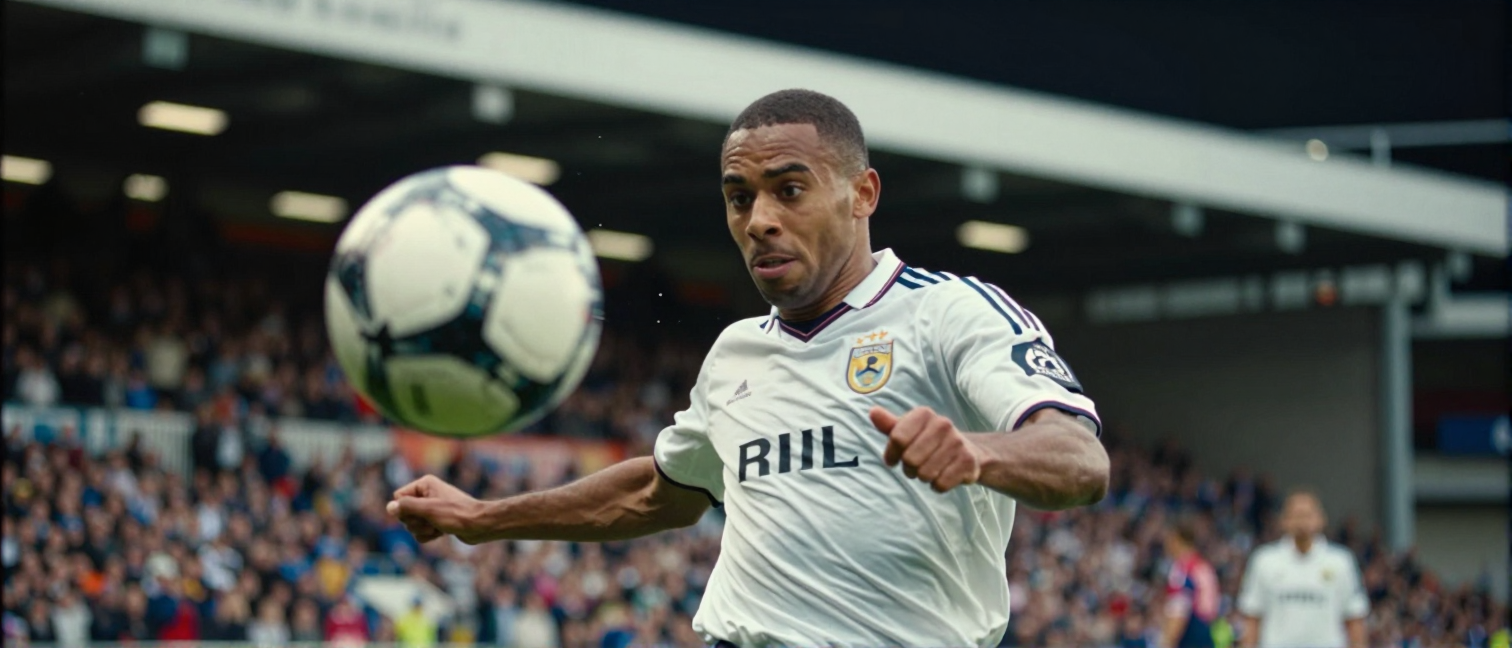
Paul Scholes warned on 7 July 2026 that England are heading into "big trouble" at the upcoming World Cup, saying the squad’s lack of tactical flexibility could cost them dearly.
What did Scholes say?
In a televised interview, the former Manchester United midfielder bluntly stated, "I think we’re in big trouble if we don’t adapt quickly." He pointed to England’s recent friendly defeats as evidence that the team’s current setup is vulnerable. Scholes highlighted the midfield’s over‑reliance on physicality and a lack of creative spark, noting that opponents will exploit those gaps.
Why does his view matter?
Scholes’ insight carries weight because he played under Sir Alex Ferguson and helped Manchester United win 20 trophies. His experience in high‑pressure matches gives him a unique perspective on what it takes to succeed on the world stage. Fans and pundits alike respect his candidness; he’s never shied away from calling out shortcomings, even when it means criticizing the national team’s management.
How does this fit into England’s preparation?
England entered the tournament after a mixed pre‑World Cup run, including a 2‑1 loss to Spain on 3 June and a 3‑0 win over Croatia on 10 June. Scholes argued that those results expose a pattern: the team can dominate weaker sides but struggles against disciplined, tactical opponents. He urged manager Gareth Southgate to consider rotating the midfield, perhaps giving more minutes to younger players like Jude Bellingham, who can add creativity.
What could change England’s fortunes?
According to Scholes, the answer lies in flexibility. He suggested a shift to a 4‑3‑3 formation for the group stage, allowing wingers to cut inside and create space for the full‑backs. He also emphasized the importance of set‑piece practice, noting that England has missed several clear chances in recent friendlies. If Southgate adopts these tweaks, Scholes believes England could avoid the "big trouble" he warned about.
What’s the reaction?
Social media lit up with mixed responses. Some fans praised Scholes for speaking truth to power, while others dismissed his comments as “just another pundit rant.” Former England captain Steven Gerrard posted a supportive tweet, saying, "Scholes knows the game, his concerns are valid." Meanwhile, former manager Roy Hodgson called the remarks "over‑dramatic" but admitted the squad needs to fine‑tune its approach.
What’s next for England?
England’s first World Cup match is scheduled for 20 June against the United States. Scholes will be watching closely, ready to weigh in after the game. If England falters, his predictions could become a headline; if they thrive, his warnings may be seen as a cautionary note that helped spark necessary changes.
How does this affect Scholes’s legacy?
Scholes continues to shape football conversation long after hanging up his boots. By offering blunt analysis ahead of the world’s biggest tournament, he reinforces his reputation as a sharp‑tongued, insightful voice in the sport. Whether England heeds his advice remains to be seen, but his impact on the dialogue surrounding the team is undeniable.